
I examine the knowledge hidden inside stories dismissed as superstition.
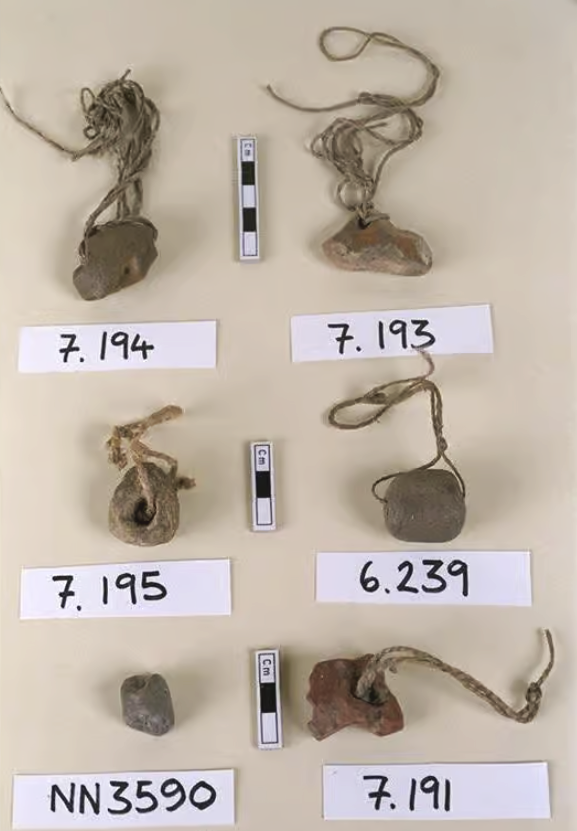
Curative, protective charms.
“Cunning men, along with Wise Women, were practitioners of folk medicine and folk magic who counted amongst their skills finding lost objects, predicting the future, blessing fields, providing amulets and charms, writing spells. In general, these magical experts were only consulted after everyday remedies or strategies had failed to provide the desired effect.”
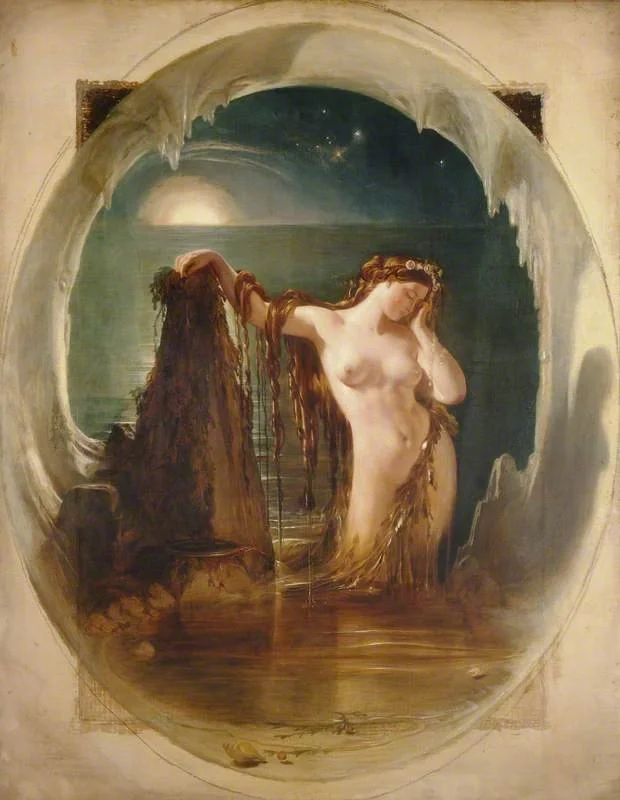
The Origin of the Harp by Daniel Maclise (1806–1870), c.1842, from Manchester Art Gallery.
Daniel Maclise’s The Origin of the Harp does not depict English folklore directly. Instead, it offers a useful example of how nineteenth-century visual culture transformed folk and mythic material into heritage. Irish in origin but held within an English civic collection, the painting shows how supernatural and vernacular traditions moved across borders, media and institutions: from story and song into image, collection and public memory.
research
My research examines supernatural folklore as an informal archive of working-class knowledge in England, c.1850–1939. I focus on ghost stories, charms, omens, death warnings, cunning-folk narratives and haunted places as forms of vernacular knowledge that carried memory, care, danger and social meaning.
Rather than asking whether these beliefs were “true,” my work asks what they did: how they helped communities interpret uncertainty, preserve local memory and make sense of illness, misfortune, death and place.
I am especially interested in the moment informal knowledge enters the record: when working-class supernatural belief is collected by folklorists, reported by newspapers, reframed by antiquarians or preserved as heritage.
current research
How did working-class supernatural knowledge become folklore, archive and heritage in England, c.1850–1939?
research strands
Cunning-Folk, Charms and Vernacular Authority
How charms, folk healing, protective objects and magical specialists helped communities respond to illness, misfortune, uncertainty and everyday danger.
Omens, Death Warnings and Everyday Care
How supernatural warnings, portents and household beliefs gave language to grief, risk, protection, illness and intergenerational memory.
Haunted Places, Institutional Death and Classed Memory
How stories of haunted homes, roads, workplaces, institutions and burial grounds preserved memories of poverty, labour, exclusion, death and contested heritage.
Collection, Mediation and the Making of Folklore
How working-class supernatural knowledge changed when it was recorded by folklorists, newspapers, antiquarians, museums, artists and heritage institutions.